-
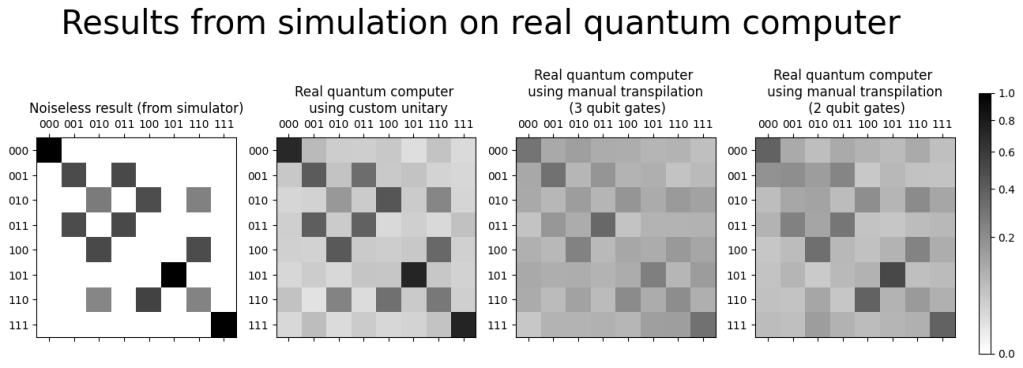
Simulating the HOM effect on a quantum computer
Two indistinguishable photons enter a beamsplitter — and always leave together. Can we reproduce this distinctly optical quantum effect on a qubit-based quantum computer? We translate photons into qubits and build the circuit that makes it happen.
-
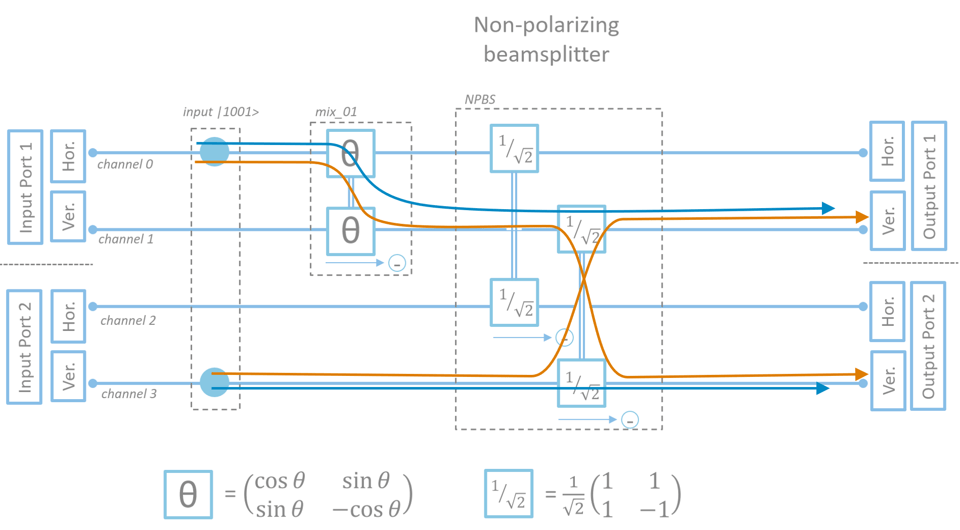
The HOM effect explained
In this post we explore the HOM effect and describe it by simple mathematics. We will see that we are looking at ‘quantum interference’ where the system can take different ‘paths’ to get to the same outcome. In quantum theory these paths can ‘interfere’, leading to the results we observe.
-
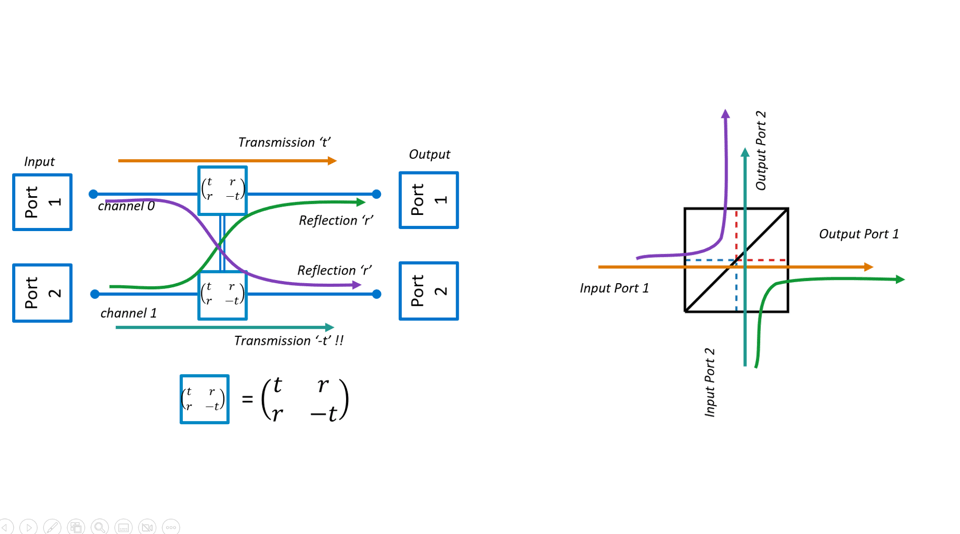
Beamsplitters and the quantum HOM effect
In this notebook we use a very simple optical component: A beamsplitter. We will see in this simple component already very interesting quantum behavior like the quantum HOM effect (named after Hong, Ou and Mandel who first reported this effect).
-
Greenberger-Horne-Zeilinger entanglement
Can we reproduce a three-photon GHZ experiment in Python? Starting from two entangled photon pairs, we model the optical setup and look for the correlations that reveal genuine three-particle entanglement.
-
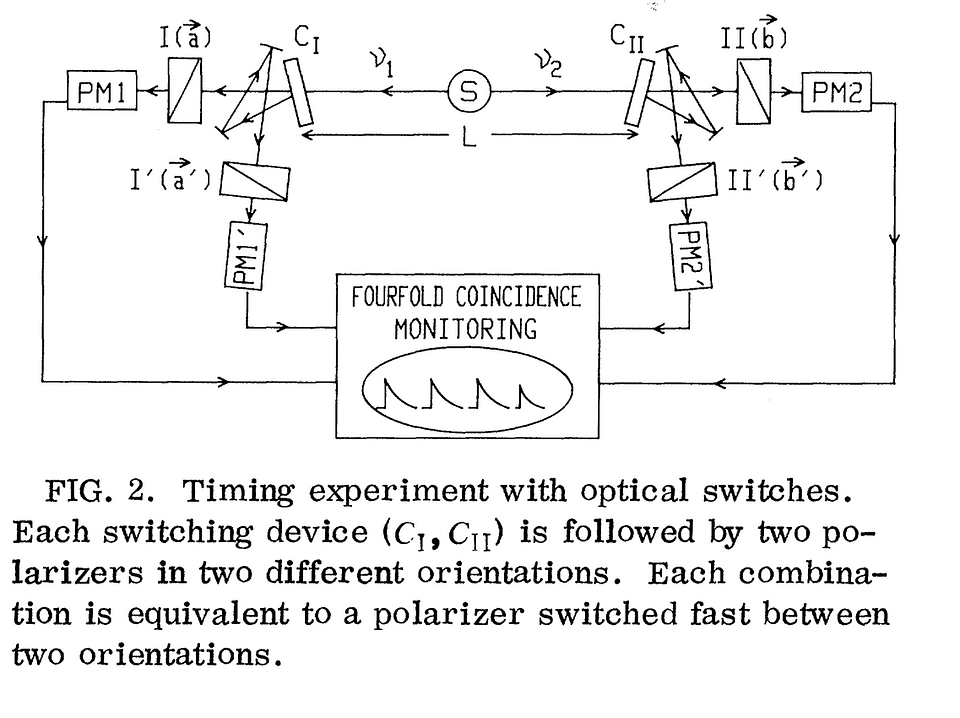
Experimental test of Bell’s inequality
We use Python Qutip to replicate the experiment performed by Alain Aspect and co-workers in 1982, where for the first time the violation of Bell’s inequalies was experimentally demonstrated.
-
Subscribe
Subscribed
Have a WordPress.com account? Log in now.

